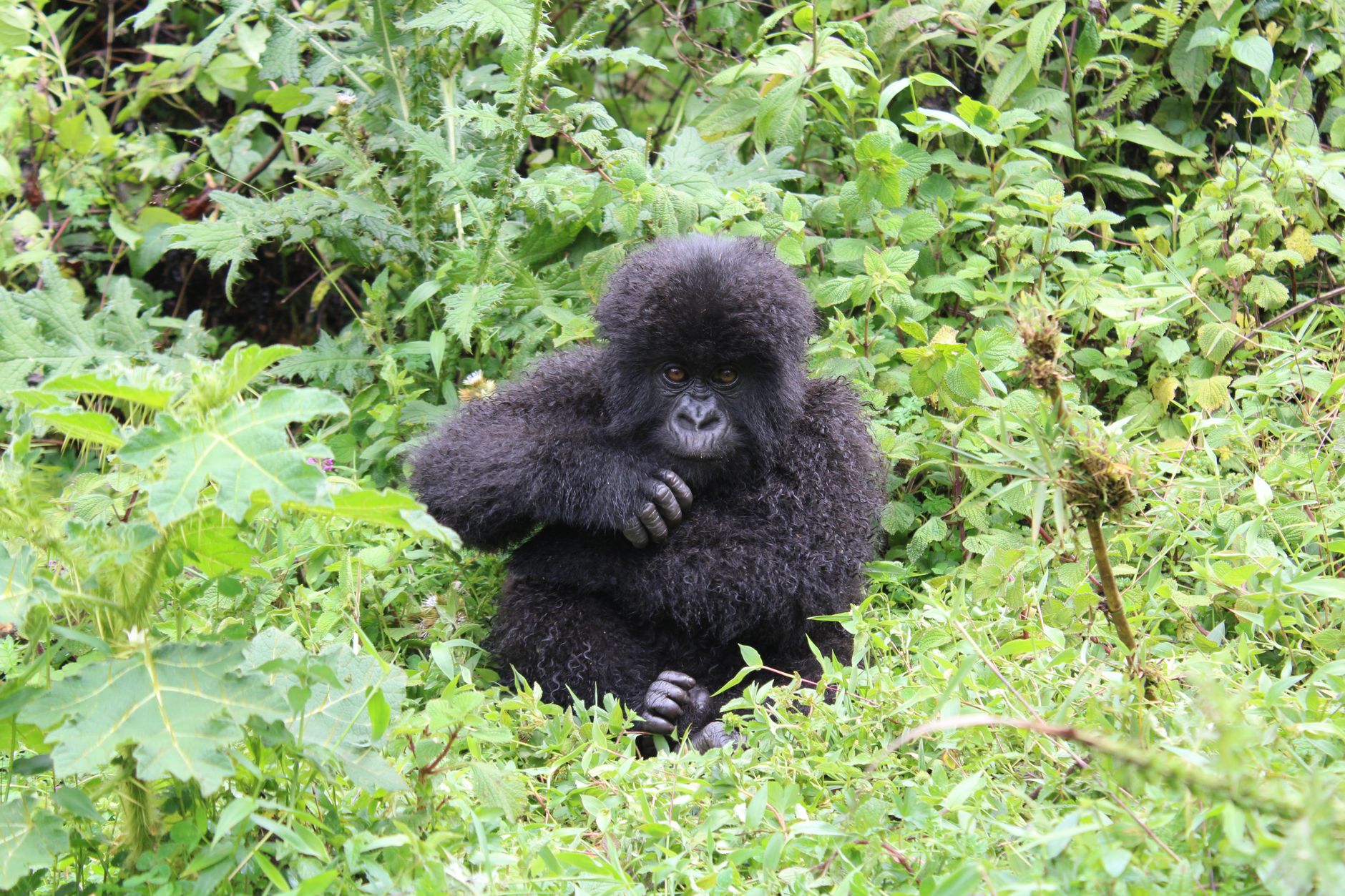
Bwindi gorilla trek difficulty is the first question most retirees ask when they plan a mountain gorilla trip. The honest answer is that the trek is a moderate to difficult forest hike, not a casual walk. How hard it feels depends on the sector you choose, the weather on your morning, and where the assigned gorilla family spent the night. This checklist helps you plan around stamina, knees and comfort instead of relying on one vague rating.
How Difficult Is Gorilla Trekking in Bwindi?
Bwindi gorilla trekking is a moderate to difficult hike, not a casual forest walk. Steep slopes, slippery roots, mud, dense vegetation and changing elevation demand steady footing and several hours of stamina. Most healthy travelers can complete it with preparation, rest breaks and a porter, but difficulty varies sharply by sector and gorilla family location.
That is the short version of Bwindi gorilla trek difficulty. The sector details below are what separate a comfortable day from an exhausting one.
Bwindi Gorilla Trek Difficulty by Sector: Use These Four Checks
Bwindi has four main trekking sectors. Each trailhead changes the type of walking you will do. Use this ranking as a planning tool, not a guarantee.
- Buhoma: the most manageable sector overall. A Buhoma gorilla trek covers hilly forest, usually with more moderate climbs than the tougher sectors. It is not flat, and mud can appear anywhere, but it is the easiest place to start if you worry about knees or stamina.
- Rushaga: a moderate and flexible middle choice. Rushaga trails vary according to the gorilla family assigned that day. Some routes feel gentle, while others include steep sections. It is a solid choice if you want a middle ground and are comfortable with hills.
- Ruhija: higher elevation with more taxing climbs. Ruhija starts on higher ground than Buhoma and Rushaga, so your breathing may work harder. The extra altitude and steep slopes make this a moderate to difficult sector, even for active walkers.
- Nkuringo: the toughest trek in Bwindi. A Nkuringo gorilla trek often begins high on the ridge, drops into the valley to find the group, and then climbs back out. The repeated downhill and uphill sections require strong legs, good balance and patient pacing. Choose Nkuringo only if you welcome a genuine hike.
| Sector | Typical trail character | Who should choose it |
|---|---|---|
| Buhoma | Hilly but generally gentler | First choice for retirees or anyone with knee worries |
| Rushaga | Moderate and varied by family | Active older trekkers who want a middle route |
| Ruhija | Higher elevation, more taxing climbs | Fit walkers who handle altitude |
| Nkuringo | Ridge-to-valley climbs with steep drops | Experienced hikers who prefer a real challenge |
If you are comparing countries as well as sectors, read our Bwindi versus Volcanoes gorilla experience comparison. Rwanda’s Volcanoes trails sit at higher altitude overall, which can change your preparation even when the hiking distance looks similar. If your trip could go either way, our Rwanda and Uganda gorilla trekking comparison covers permits, access and trail conditions side by side.
Six More Decisions That Shape Your Trekking Day
- Expect an honest Bwindi gorilla trek duration. You should plan for one to seven hours of walking before the one hour with gorillas. The assigned family may be close to the trailhead or far up a slope after moving overnight. Take food and water as if you will use the longest time, and celebrate if you return sooner.
- Prepare for terrain, altitude and rain. Expect steep uneven paths, exposed roots, thick vegetation and mud. The forest covers roughly 1,160 to 2,607 meters of altitude, so going up and down can feel more tiring than a flat walk at home. Rain arrives in any month, so waterproof boots and a light rain jacket are basics.
- Train with hills, stairs and balance. You do not need athletic fitness, but you should be able to walk for several hours on uneven ground and climb without losing your breath. Start stair training and daily walks four to six weeks ahead. If you have knee, heart, balance or breathing concerns, get medical advice and tell the operator before the trek. Operators can use your fitness notes to assign a family with an easier route when possible.
- Book a porter unless your operator advises otherwise. Porters carry your daypack and offer a steadying hand on steep or slippery sections. The decision can be made a day before, but booking early helps. Read our guide on whether a Bwindi trek porter is worth it for practical details on cost, community benefit and what to ask your operator.
- Choose drier months, but stay flexible. June through September and December through February usually have drier trails. March through May and October into November are rainier and muddier. Dry weather lowers the chance of slippery sections but does not remove the hills. Gorilla movement still decides the route.
- Sequence the trek with your wider safari. The gorilla day is intense, so plan a rest or light game drive the next day. If your larger itinerary includes Kenya’s Masai Mara, read our Masai Mara safari guide to pace that leg and avoid arriving exhausted. A responsible operator will share ranger reports about family movements and confirm your porter before you start. Permit fees and porter wages support the forest and the communities around Bwindi, so the money part of the day carries value beyond the hike.
Your Next Step in Planning
Your next action is to select a sector based on your knees, lungs and comfortable walking hours. If you are not sure, start with Buhoma before looking at Rushaga. Then ask a safari operator about availability, gorilla family movements and porter support for that specific trailhead. To compare safari operators who specialize in Bwindi permits and porters, browse packages at FindMySafari, Valley Safaris, or Trunktrails Safaris. Tell the operator about your fitness honestly, and let the terrain, not the brochure photos, decide where you trek.
More safari planning resources
- Kenya family safari from SafariPure
- Masai Mara Great Migration guide from Trunktrails Safaris
- Best time to visit Kenya month-by-month map from Valley Safaris
- Family safari collection on FindMySafari